
Meshtastic Overview
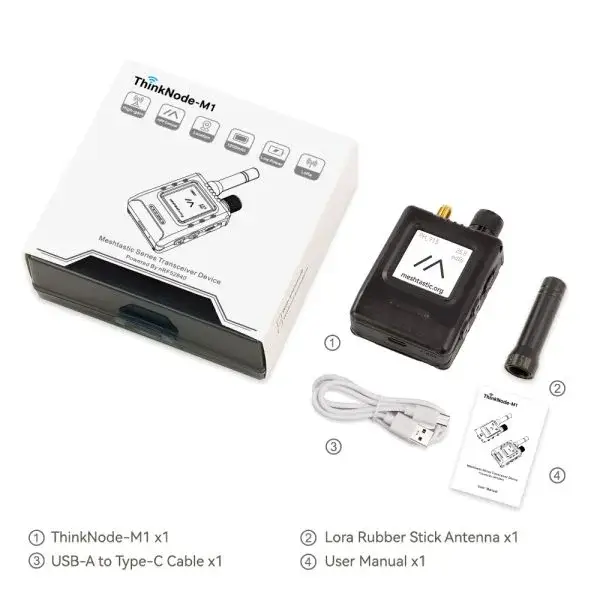
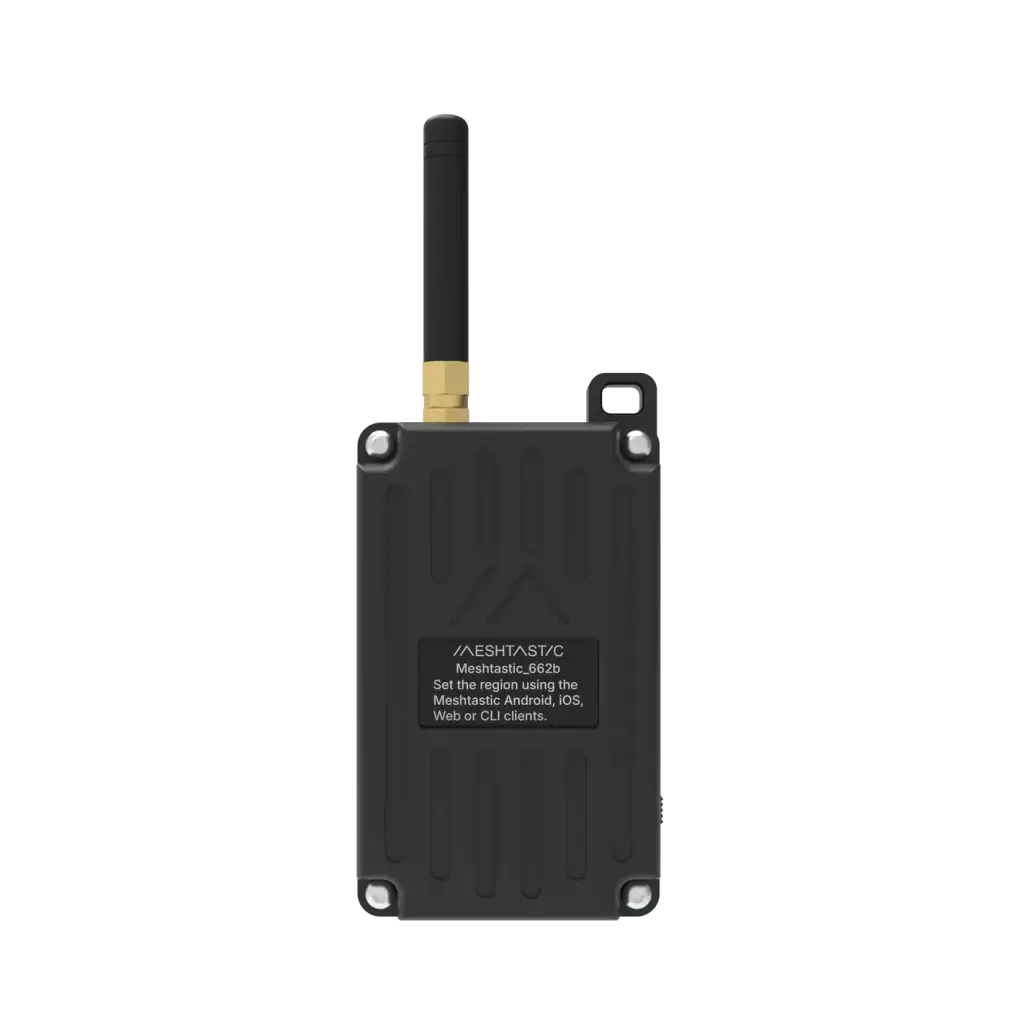
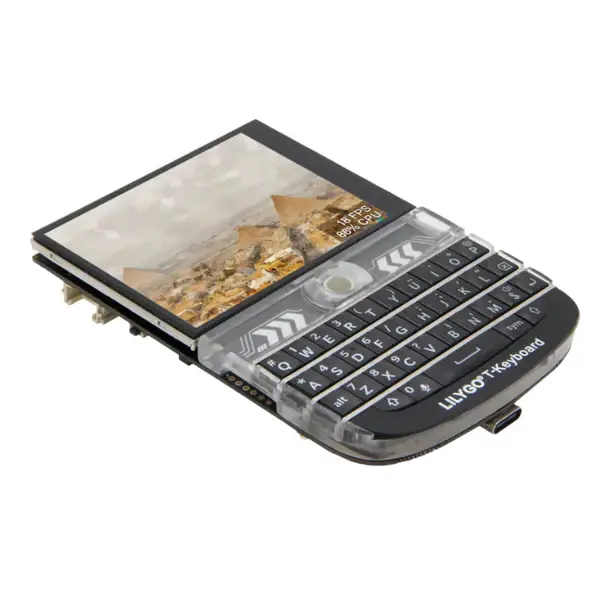
Meshtastic is an open-source, decentralized communication platform that enables long-range, off-grid messaging and data sharing using low-cost, low-power devices. It leverages LoRa (Long Range) radio technology to create a mesh network, allowing devices to relay messages without relying on cellular networks, Wi-Fi, or internet infrastructure. Meshtastic is ideal for remote areas, outdoor activities, or emergency situations where traditional communication systems are unavailable or unreliable.
Advantages
1. Off-Grid Communication: Meshtastic operates independently of cellular or internet networks, making it perfect for remote locations, disaster scenarios, or privacy-focused communication.
2. Long Range: LoRa technology supports communication between 2 – 10 miles in ideal conditions, far surpassing traditional walkie-talkies. In areas with robust mesh networks ranges can exceed 50 miles.
3. Decentralized Network: The mesh topology allows devices to relay messages, extending coverage as more nodes join, without a centralized network.
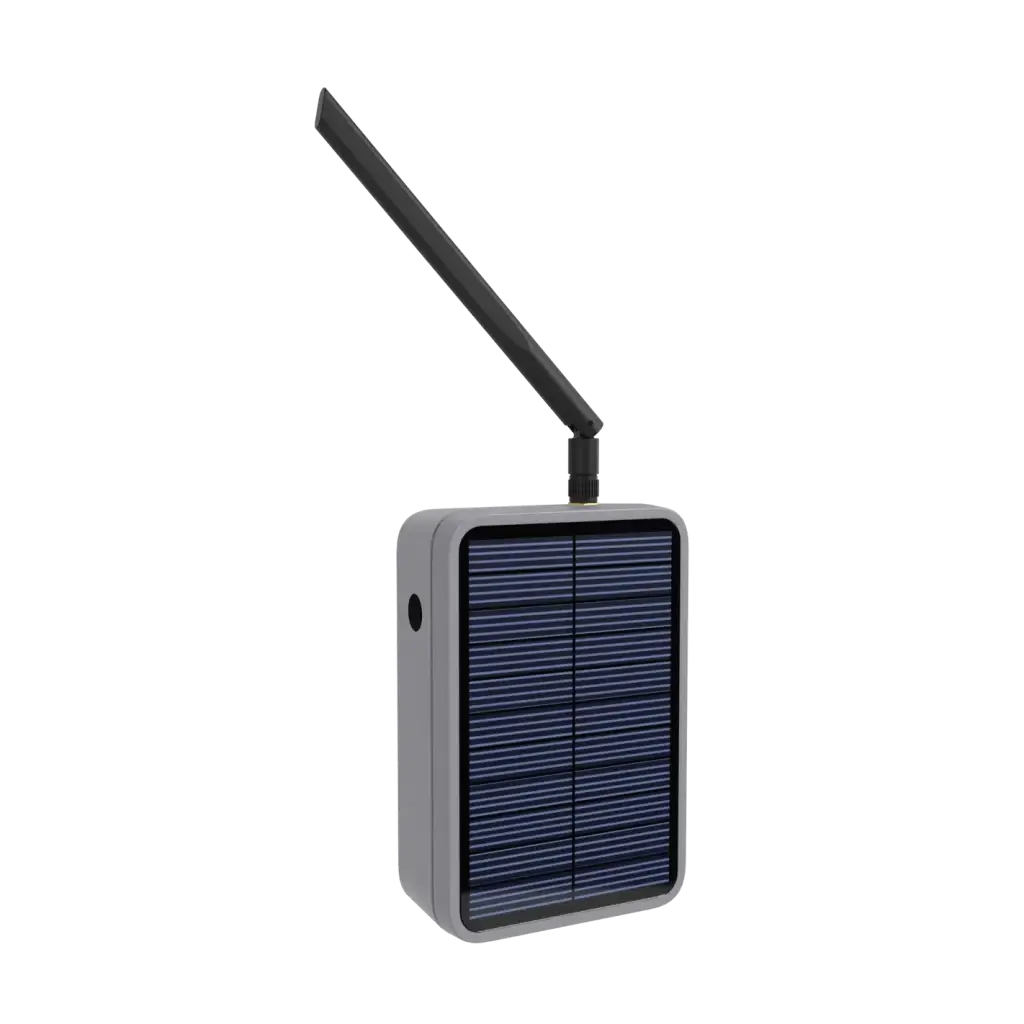
4. Low Power Consumption: Devices are energy-efficient, often running for days or weeks on a single battery charge, ideal for prolonged outdoor use. Add a small solar panel for continuous operation.
5. Open-Source and Customizable: Users can modify the software and hardware, tailoring it to specific needs, and the community-driven development ensures continuous improvements.
6. Cost-Effective: Meshtastic devices are affordable, often built on inexpensive hardware like ESP32 boards, making it accessible for hobbyists and professionals alike.
7. Versatile Applications: Supports text messaging, GPS location sharing, and sensor data transmission, useful for hiking, disaster response, or IoT projects.
Meshtastic empowers users with reliable, private, and scalable communication in challenging environments.
In this video, I take a closer look at FCC 47 CFR 15.247 and what it may mean for Meshtastic and MeshCore users operating LoRa radios in the United States.
As these platforms continue to grow, questions surrounding transmit power, dwell time, frequency hopping, digital modulation, and Part 15 compliance are becoming increasingly important. I break down the regulation, why it matters to the LoRa mesh community, and some of the potential challenges it creates for current hardware and firmware configurations.
The important takeaway is that this is not the end of Meshtastic or MeshCore. Developers and members of the community are actively discussing the issue and working toward solutions that can maintain the capabilities we enjoy while operating within FCC requirements.
Topics covered:
• FCC 47 CFR 15.247
• How Part 15 applies to LoRa radios
• Potential impacts on Meshtastic and MeshCore
• Transmit power and modulation considerations
• Why certain configurations may require another look
• Solutions currently being explored by the community
• What users should be paying attention to going forward
The goal of this video isn’t to create panic, it’s to help the community better understand the regulatory environment surrounding the technology we’re using and encourage informed discussion as solutions continue to develop.
This video is for informational and educational purposes only and should not be considered legal or regulatory advice.
Meshtastic fixed the previous bug with over the air (OTA) firmware updating. You can now use the Meshtastic app to update the firmware your devices while connected to them via BLE. This is a great feature that simplifies the process especially for those hard to reach mesh radios.
- Conditions
Android Meshtastic app version: 2.7.12
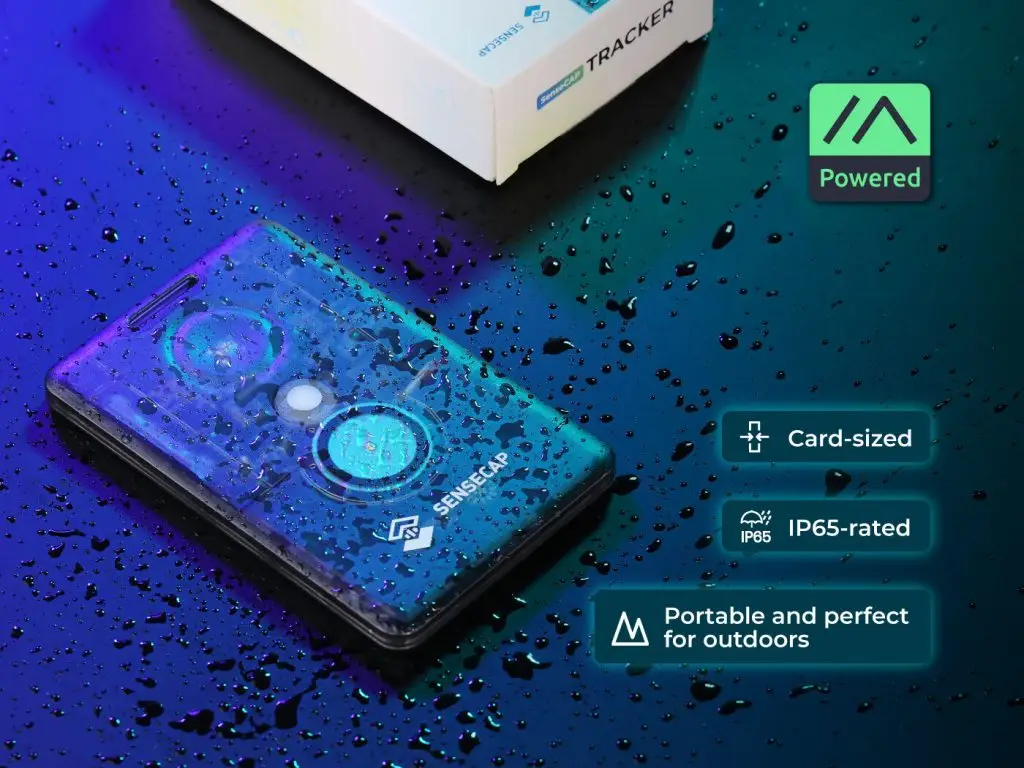
One Seeed Studio Card Tracker T1000E with a nRF52 MCU
I had an awesome conversation today with Kenny from AT Labs. We get into the launch of the RM-2, chat about mesh radios, and take a look at some exciting future projects coming from AT Labs.
Learn more at: Constellation Response and AT Labs websites.
Learn how to create custom map layers in the Meshtastic app! 🌍 In this video, I’ll walk you through how to add your own map tiles, overlays, and offline layers to enhance your mesh network visibility and situational awareness. Perfect for field ops, emergency comms, and off-grid situations.
As Meshtastic networks grow it is important that users embrace some best practices. Today video goes through some basic setting changes that can improve your user experience and promote healthy mesh networks.
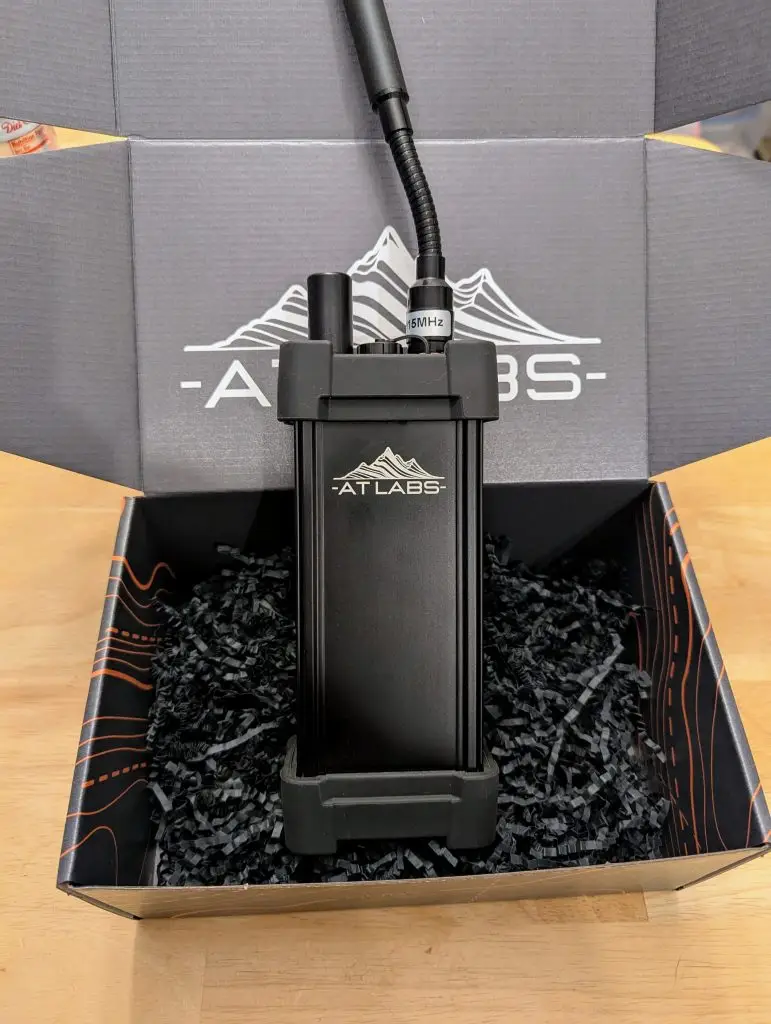
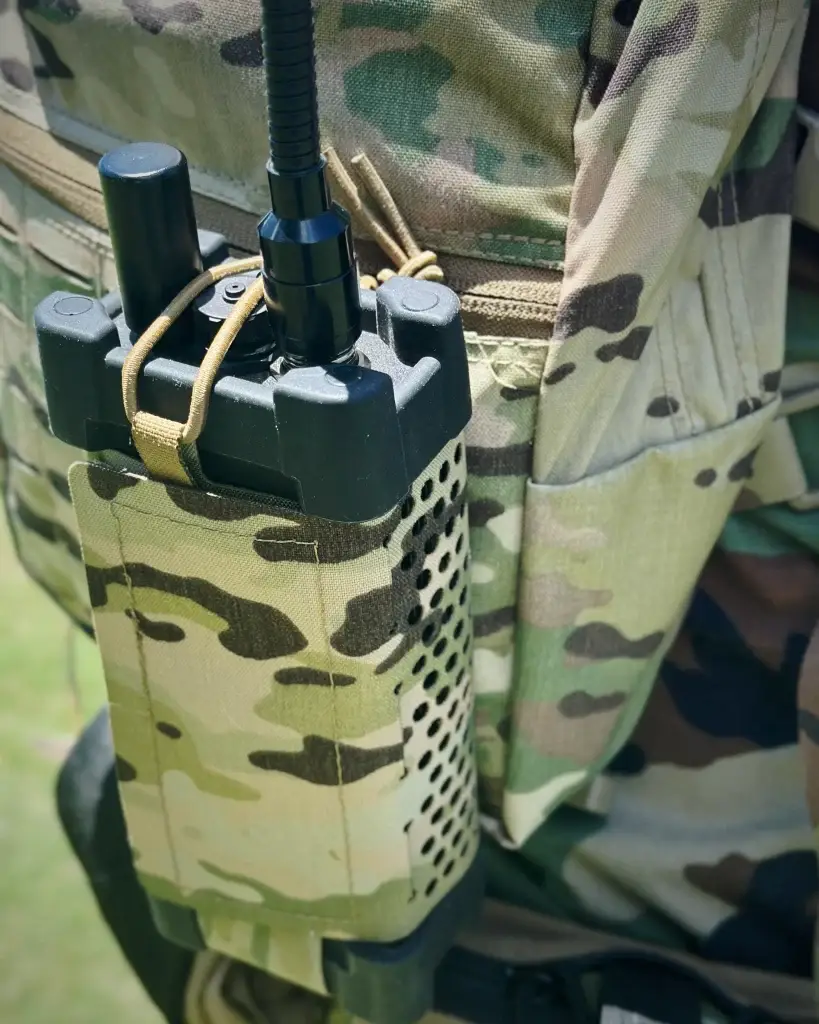
If you’re searching for a rugged, field-ready Meshtastic/LoRa radio that thrives in extreme environments, the AT-Labs RM-1 deserves a serious look. Built for resilience and reliable communication, it’s designed to keep you connected when conditions get tough.

MeshCore is an open-source mesh networking platform and software protocol that lets low-power LoRa radios form decentralized, off-grid wireless networks for text messaging and data relay without relying on cellular or internet infrastructure. It’s designed to be scalable, structured, and efficient: devices can be assigned distinct roles like repeaters, companions, and room servers, and the system uses multi-hop routing to pass messages across many nodes in a controlled way, with a focus on managing airtime usage, reducing unnecessary broadcast traffic, and improving delivery reliability. MeshCore supports long-range communication, low energy use, and encrypted communications on common LoRa bands, making it suitable for emergency comms, outdoor activities, and larger planned mesh deployments.
Quick Comparison: MeshCore vs Meshtastic
Network model:
Meshtastic uses a “true mesh” where most devices automatically rebroadcast and flood messages to create ad-hoc paths, good for spontaneous networks. MeshCore separates roles (repeaters vs companions) so only designated repeaters forward traffic, reducing channel congestion and giving more structured routing.
Routing & scalability:
Meshtastic typically limits hops (e.g., default ~3, max ~7) and relies on managed flooding.
MeshCore supports much higher hop counts (e.g., up to ~64) and learns/uses efficient paths, which can be better for larger or fixed networks.
Ease of use:
Meshtastic is widely adopted, simpler to set up, and well supported by community tools and mobile apps. MeshCore may require planning (e.g., repeaters) and has a newer ecosystem, though offers stronger message reliability and control.
Compatibility: They cannot interoperate — a Meshtastic node won’t directly talk to a MeshCore node without switching firmware.
In short: Meshtastic is great for easy, ad-hoc off-grid communication; MeshCore aims for more controlled, scalable, and efficient mesh networking when you can plan infrastructure.
MeshCore offers the unique capability of solving or at least partially solving communication dead zones in rural areas. In today’s video I will be exploring the I-5 project and promoting the I-84 project to bridge Portland OR to Boise ID using LoRa Mesh Radio.
Does MeshCore really live up to the hype. After three weeks and thousands of miles driven, I have to say yes. The reality is that it is the mesh radio network “most people” have been looking for. The question is does it replace Meshtastic or Reticulum. The answer is it depends on what you want from your mesh radio network.
Reticulum is an open-source, decentralized networking stack designed for resilient communications without relying on traditional internet infrastructure. It can operate across LoRa, Wi-Fi, packet radio, serial links, and other transports, allowing devices and networks to communicate securely over a wide range of connection types.
The Zen of Reticulum explains the philosophy and design principles behind the Reticulum Network Stack (RNS), including decentralization, network sovereignty, resilience, and moving beyond traditional client-server thinking. It is a must-read for anyone who wants to fully understand the RNS project, because it explains not just how Reticulum works, but why it was designed the way it was. The official Reticulum documentation itself recommends reading the Zen to understand the project’s foundational philosophy and goals.
Ratspeak is a Reticulum-based communication platform built for private, resilient messaging without accounts, central servers, or traditional internet dependency. In this video, we take a first look at Ratspeak, its role in the Reticulum ecosystem, and how it supports communication across transports like LoRa, Bluetooth, local networks, TCP, and supported mesh hardware. We’ll cover what Ratspeak is, why it matters for off-grid and emergency communications, supported devices like desktop, mobile, T-Deck Plus, and Cardputer, and how it fits into a larger movement toward decentralized, user-owned communications. Topics covered: Reticulum, Ratspeak, LXMF messaging, LoRa mesh communication, off-grid messaging, emergency communications, private communications, decentralized networks, and resilient comms. Learn more about Ratspeak
In this video, we take a look at MeshChatX, a modern interface built on top of the Reticulum network stack that brings messaging, node awareness, and group coordination into a single dashboard. We’ll walk through: What MeshChatX is and how it fits into the Reticulum ecosystem Key features that make it more than just a messaging app and the differences between MeshChat and MeshChatX.
RMAP was released in March 2025 with goal of growing the Reticulum network. The map project offer user the ability to manual enter the nodes information. In today’s video, I discuss the benefits on this project and demonstrate the sites features.
Nov, 2025
If you’ve ever wondered where to start with Reticulum, this video breaks it down in plain English. I walk through the basics of getting up and running, and show how tools like Mesh Chat and Sideband can replace email services and traditional messaging apps, without relying on Big Tech “free” services. We cover how Reticulum works, why it matters for off-grid communication, and how these apps let you build decentralized, resilient networks for emergencies, remote areas, or just for the fun of it. If you’re into Meshtastic, MESHCORE, MANET, off-grid comms, or decentralized networks, this is a great starting point. Note: During the production of this video Reticulum pushed another Sideband version update. The latest version is 1.8.1
Kaonic 1S Summary –
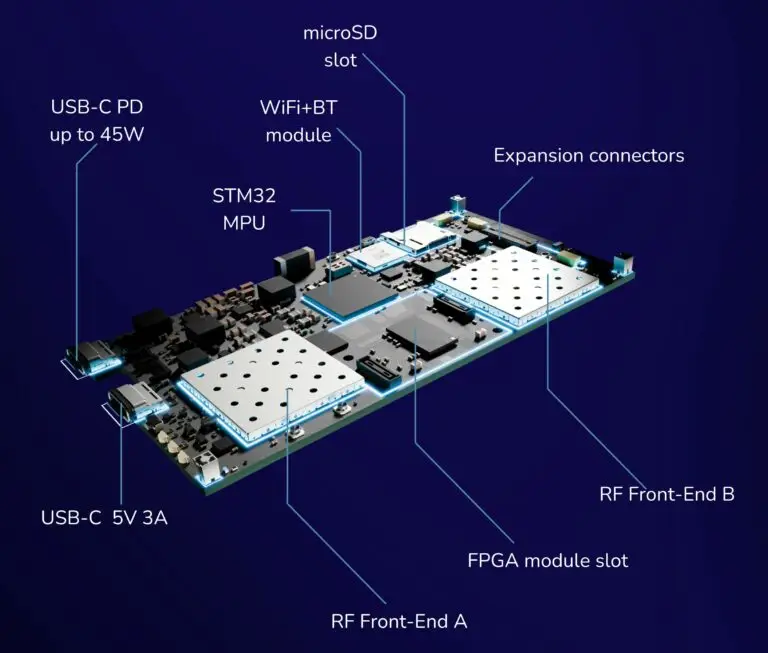
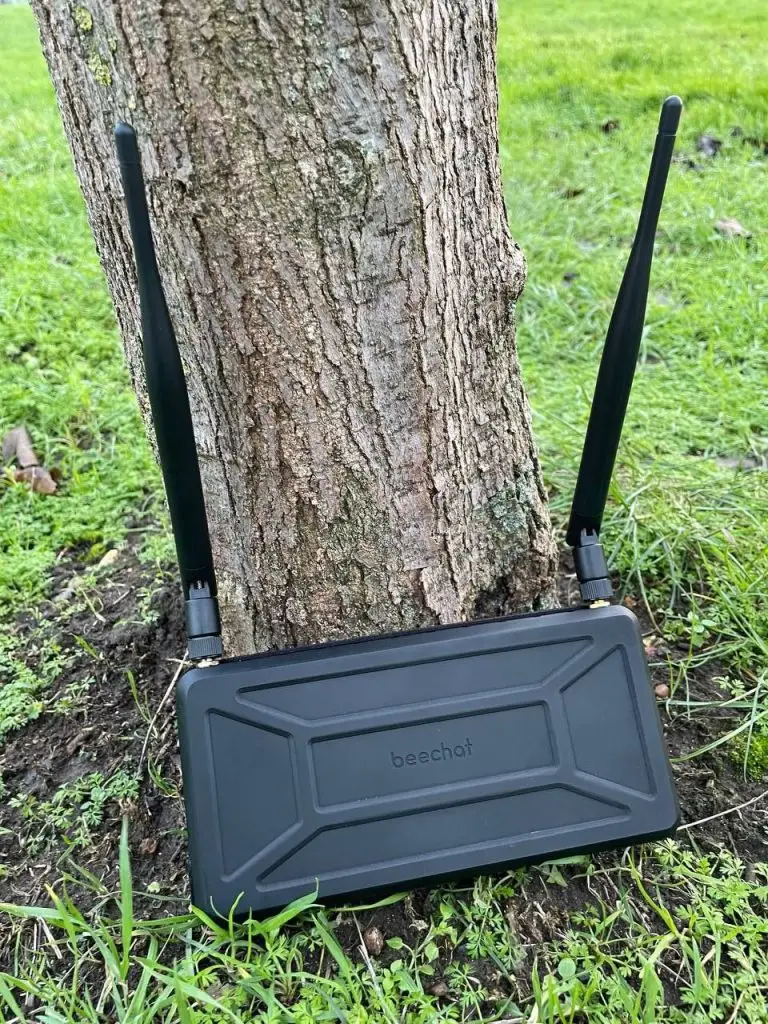
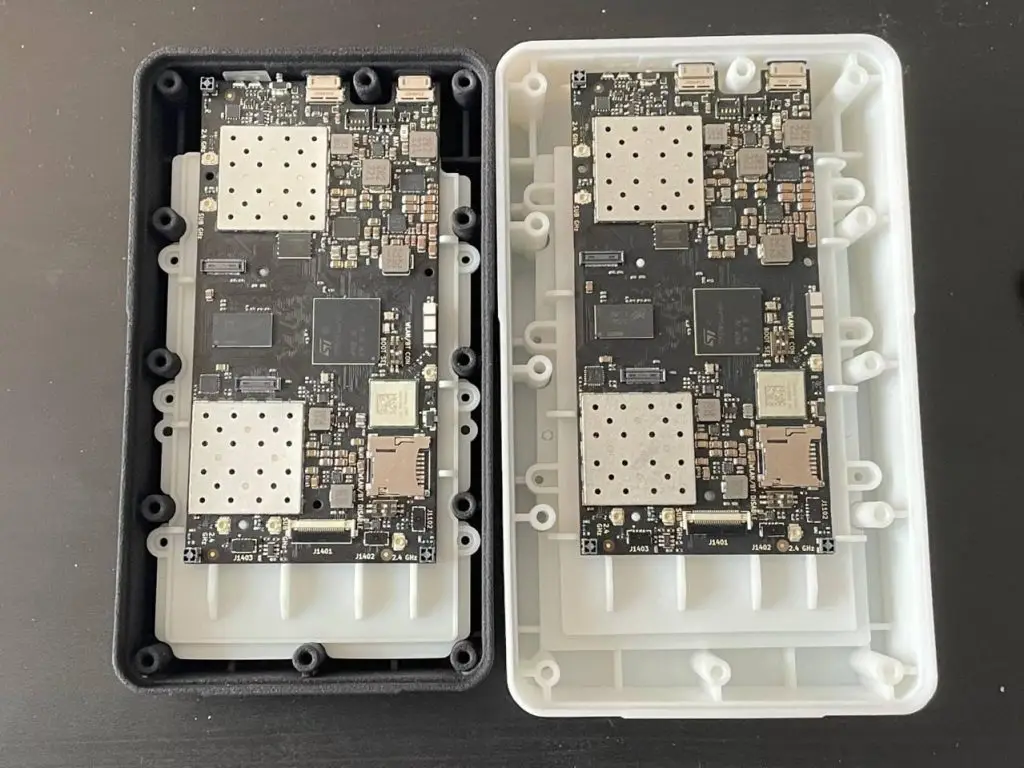
The Kaonic 1S (K1S) is an advanced RF module designed for OEM integration and R&D in decentralized and tactical communication systems. Utilizing dual transceivers, it achieves a combined data rate of 4800 kbps with support for advanced MIMO configurations. Its cryptographic mesh capabilities enable secure, off-grid communication, ideal for field operations, emergency response, and other applications that require advanced mesh radio technology. The module features high sensitivity, FPGA sockets for modularity, and an STM32MP1 MPU for high performance and energy efficiency, running Reticulum over the license free ISM bands. FCC and CE certifications pending.
Advantages
1. High Data Rate: Dual transceivers provide up to 4800 kbps, supporting robust data transfer in challenging environments. Supporting push to talk voice and video data streams.
2. Cryptographic Security: Built-in encryption ensures secure communication for sensitive applications.
3. Decentralized Networking: Mesh capabilities enable infrastructure-free, scalable communication networks.
4. Modular Design: FPGA sockets allow flexible expansion and customization for diverse R&D needs.
5. High Sensitivity: Enhanced signal detection improves performance in low-signal conditions.
6. Energy Efficiency: The STM32MP1 MPU optimizes power consumption, extending operational life.
7. Interface: Kaonic app, MAVLink and the ATAK plugin is nearly finished.
8. Future capabilities: FRX Wideband Module.
- Wideband RF expansion upgrade for the Kaonic 1S v2.4+, covering 300 MHz–2 GHz with internal amplification up to 1 W and external PAs up to 8 W. Features automated filtering, software-controlled antenna switching, and 2×2 MIMO support for extended VHF, UHF, and L-band mesh communications.
Most mesh radios you see today are either hobbyist-grade or focused on simple LoRa messaging. The Kaonic 1S from Beechat is something else entirely. With dual transceivers, built-in Linux, and support for Reticulum mesh networking, it’s designed for tactical, off-grid, and emergency communications at a whole new level. Beechat
Key features:
- Text and Voice
- File sharing
- UAS integration via MAVLink
Exclusive interview with the Beechat Network Systems CEO discussing the groundbreaking Kaonic 1S! The Kaonic 1S (K1S) is an advanced RF module, featuring dual transceivers for high data rate, cryptographic mesh networking using Reticulum, and high sensitivity. Designed for the open source community, it highly customizable and supports secure, long-range, decentralized communication for tactical applications like defense and emergency services.